
RFID receiving
Inbound pallets, cartons and items are read by handheld, gate or tunnel readers and compared with expected document lines.
- Document-controlled acceptance
- Pallet and carton validation
- Short/over receipt reports
Manage RFID receiving, document-controlled acceptance, pallet and carton checks, shelf addressing, transfers, counting, shipping validation and ERP/WMS integration.
Field implementationizes EPC-based control points across warehouse workflows.

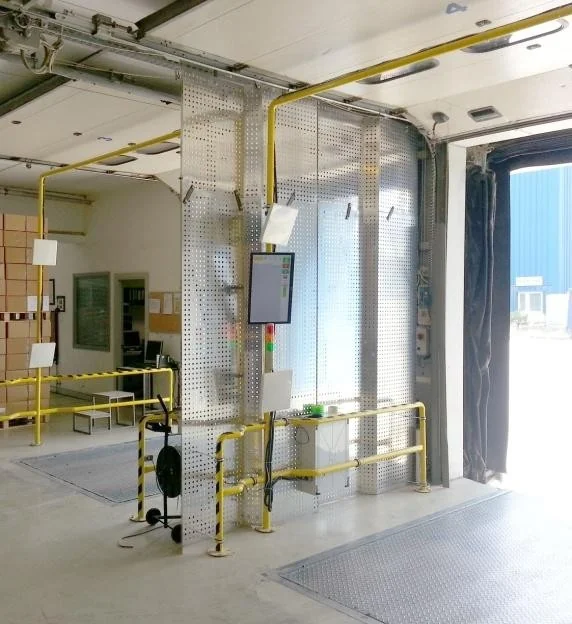
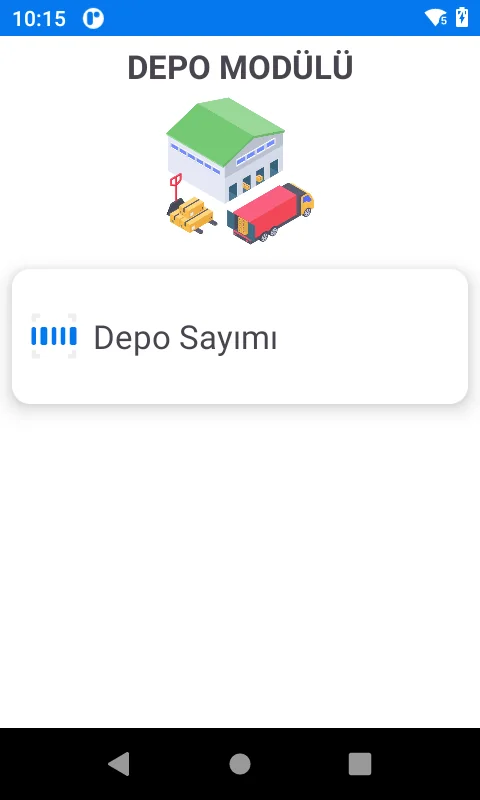
RfidSpace warehouse RFID is built around operational movement: every EPC read is connected to a receipt, shelf, transfer, stock count or shipment event.
Inbound pallets, cartons and items are read by handheld, gate or tunnel readers and compared with expected document lines.
Products are linked to warehouse, zone, aisle, shelf and temporary locations so physical stock and system stock stay aligned.
Full or partial stock counts and shipment checks compare expected EPC lists with what is physically read.
Expected items are read against the selected shipment or transfer document; unplanned receiving can also capture products directly into the warehouse.
When a forklift enters a defined area, sensors can trigger antenna reads and show mismatched products or document errors to the operator.
In document-based or non-document transfer flows, read EPCs are assigned to the target warehouse with user, time and location context.
Products shipped from central warehouse to stores are compared with order or dispatch documents, and discrepancies are separated before shipment.
Purchase, transfer or shipment documents are received from ERP, SAP or WMS.
Handhelds, forklift readers, portals or tunnels capture EPCs at the operational point.
Missing, extra and wrong items are shown before stock is confirmed.
Approved movements update location, stock and integration records.
Forklift-mounted readers can capture pallet movement without requiring a separate manual scan.
Each EPC keeps an auditable history from receiving and shelving to counting and shipment.
The project can use UHF handhelds, fixed readers, antennas, RFID tunnels, printers, PDKS terminals, BLE gateways or ESL access points depending on the workflow.
Reads are mapped to product, asset, personnel, location, document and time records. API logs and user actions remain auditable.
Review the related RfidSpace solution and hardware pages before selecting the final field architecture.